South Salt Lake Foundation Pros
Wall Stabilization in South Salt Lake, UT
Wall Stabilization in South Salt Lake fixes bowing basement walls with steel anchors or carbon fiber straps. Free estimates available.
Serving South Salt Lake and nearby communities.
Why is your basement wall bowing inward after the snow melted? Full basements are standard across South Salt Lake's housing stock, and every spring snowmelt pushes groundwater against those walls. Over years, that hydrostatic pressure can bow a basement wall or push horizontal cracks across the block.
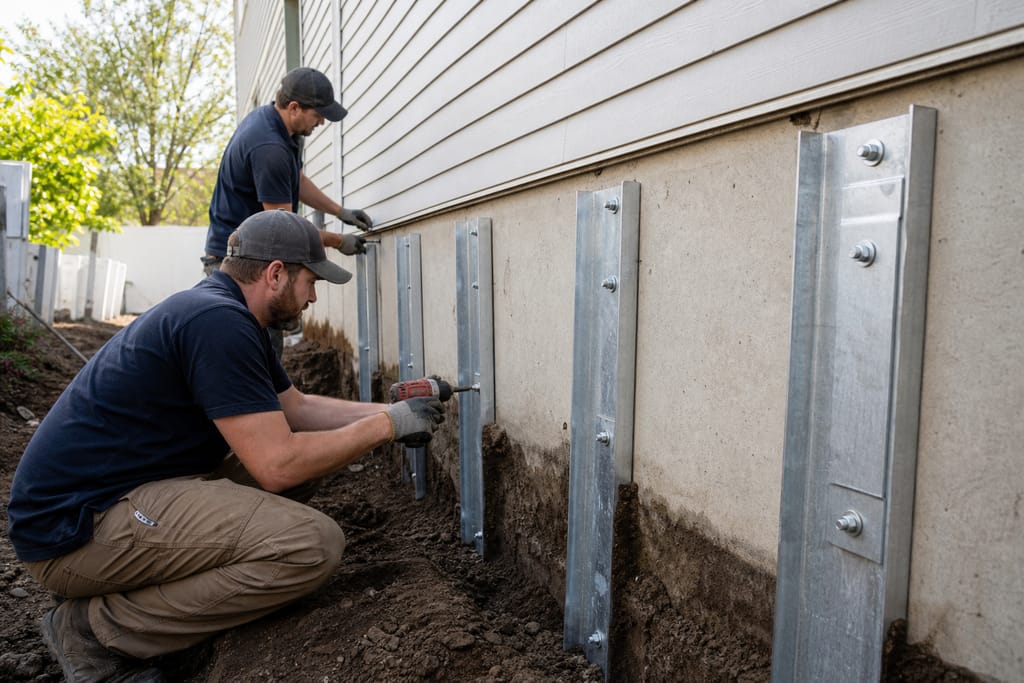
South Salt Lake Foundation Pros stabilizes bowing or leaning basement walls with steel anchors, carbon fiber straps, or steel I-beams depending on severity, halting further movement and, in many cases, allowing gradual straightening over time.
What's included
What's Included with Wall Stabilization
Typically included
- Wall inspection measuring bow depth and crack pattern
- Installation of the appropriate reinforcement system (anchors, straps, or I-beams)
- Tensioning adjustment and final inspection to confirm stability
Optional
- Epoxy crack sealing prior to reinforcement
- Exterior grading or drainage correction to reduce future pressure
Customer prep
- Clear basement wall access, remove shelving or storage along the affected wall
- Note any recent changes in bowing or cracking to share with the inspector
Want a clearer scope?
Get a Free EstimateHow it works
How Our Wall Stabilization Process Works
 Step 1
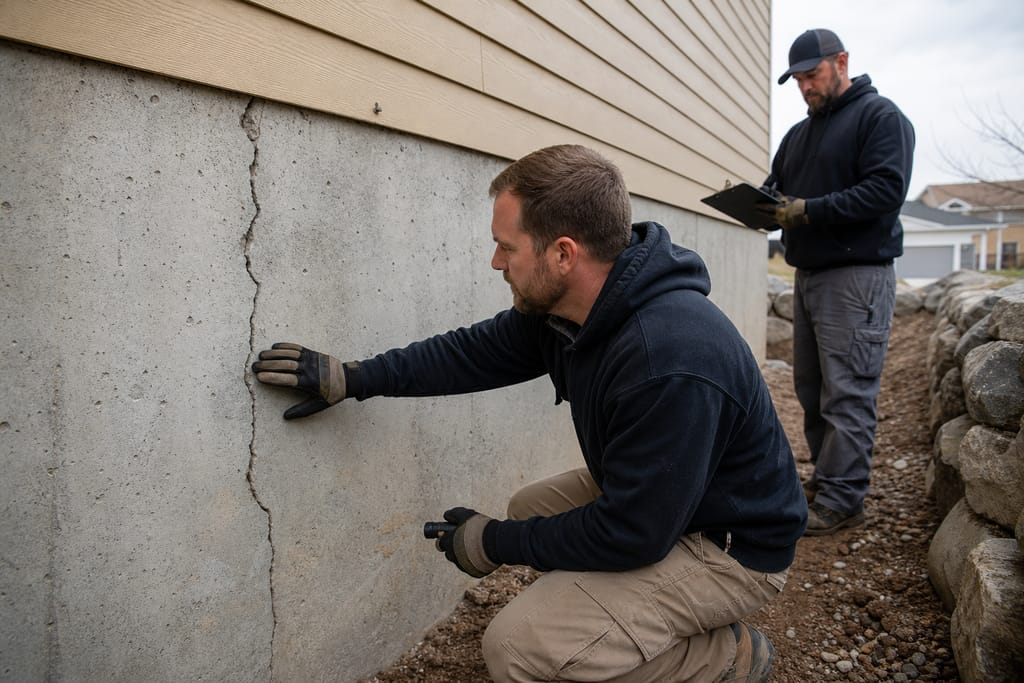
Wall Inspection
Walls are examined for bowing, cracking, or leaning indicators.
 Step 2
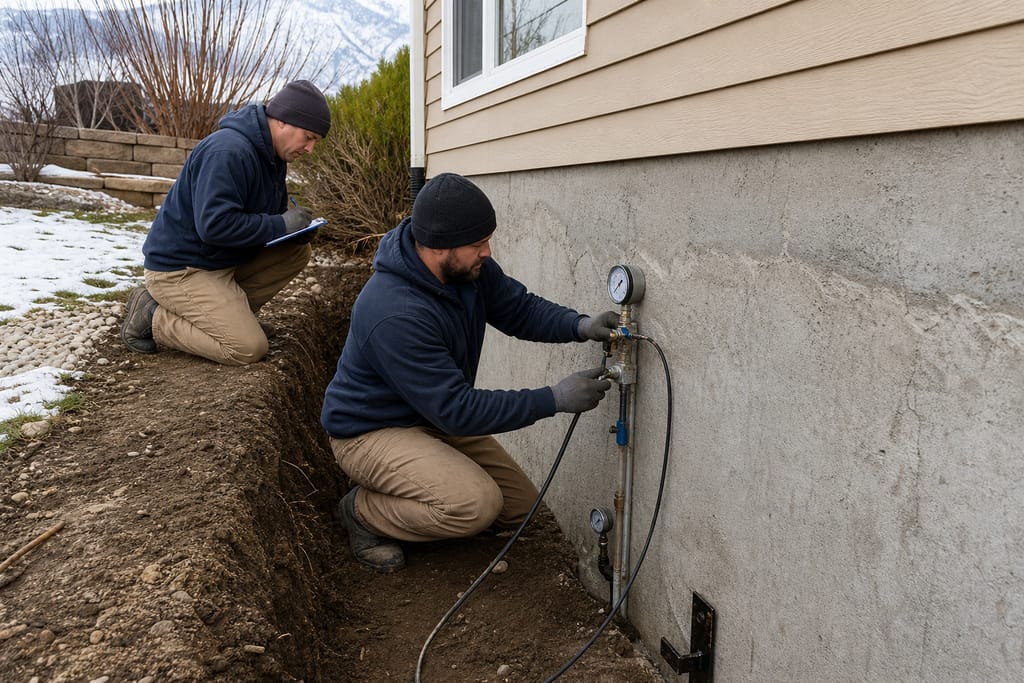
Pressure Assessment
Soil and hydrostatic pressure contributing to wall movement are evaluated.
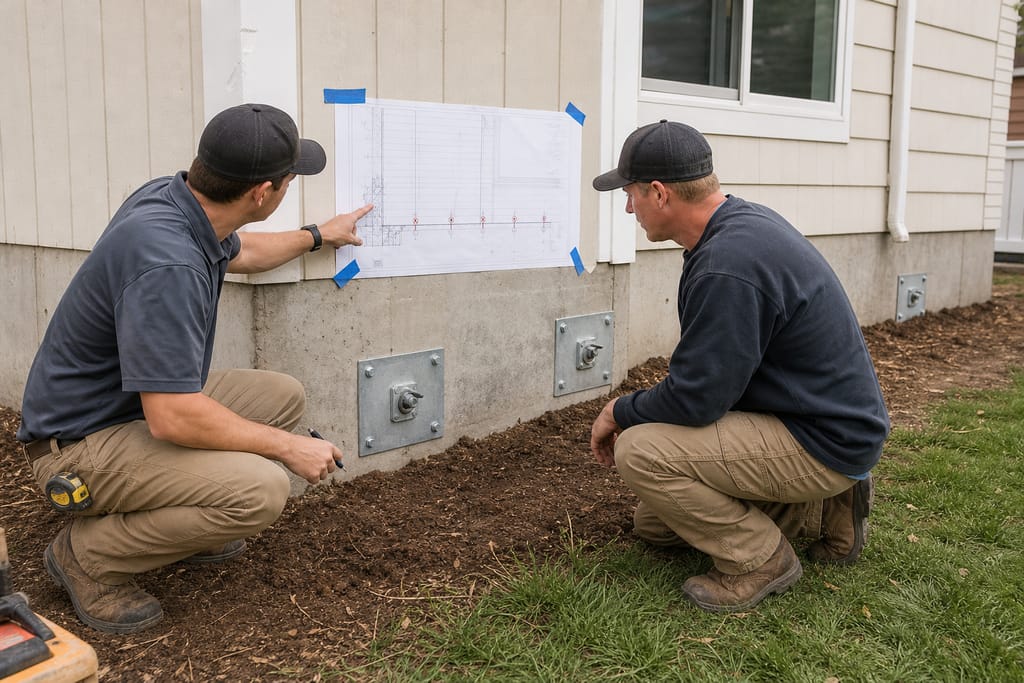 Step 3
Reinforcement Planning
A stabilization method is selected based on wall condition and severity.
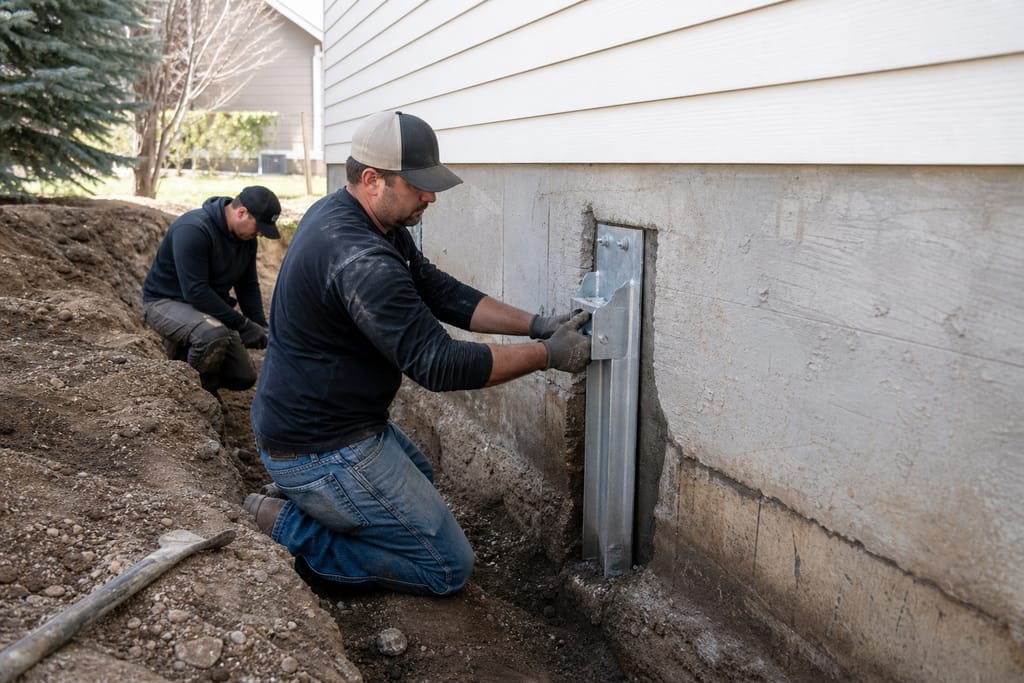 Step 4
Anchor or Brace Installation
Support systems are installed to halt further wall movement.
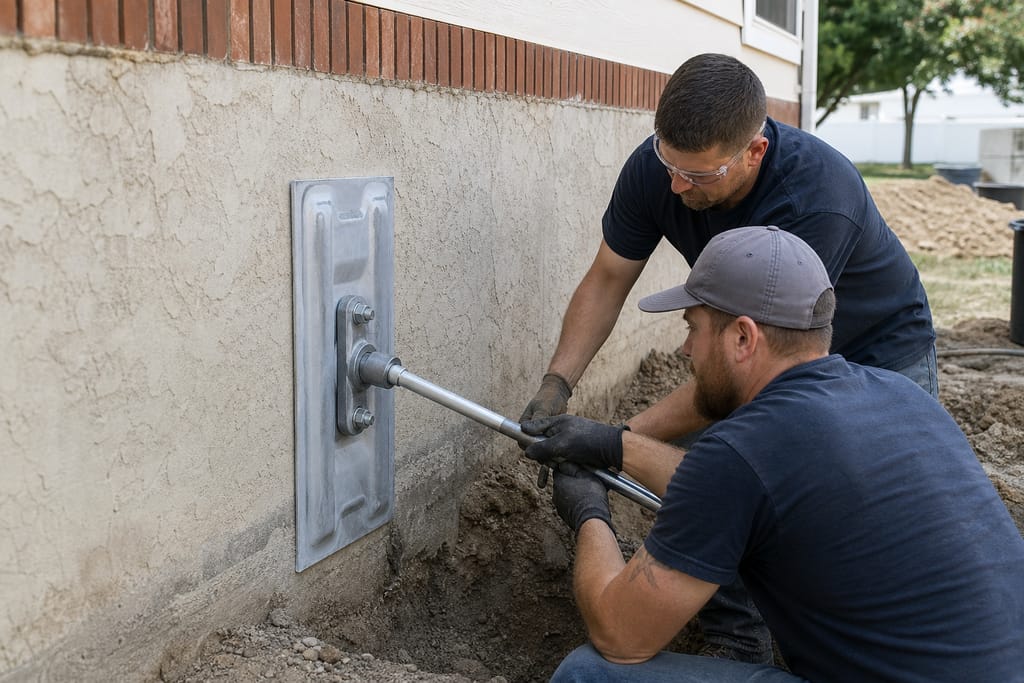 Step 5
Tensioning Adjustment
Anchors or braces are tightened to gradually stabilize the wall.
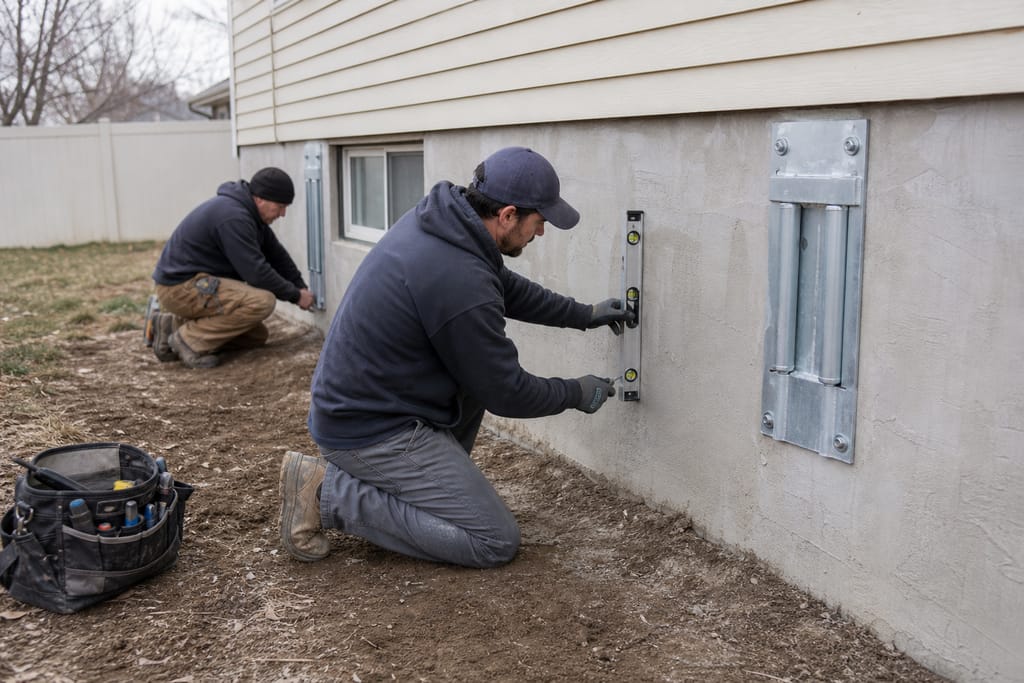 Step 6
Final Inspection
The wall is rechecked to confirm stability and proper installation.
Materials
Materials and Methods for Wall Stabilization
Hydrostatic pressure from spring snowmelt is the recurring cause behind bowed walls in this part of the valley, so the reinforcement method has to match the pressure level, not just the crack.
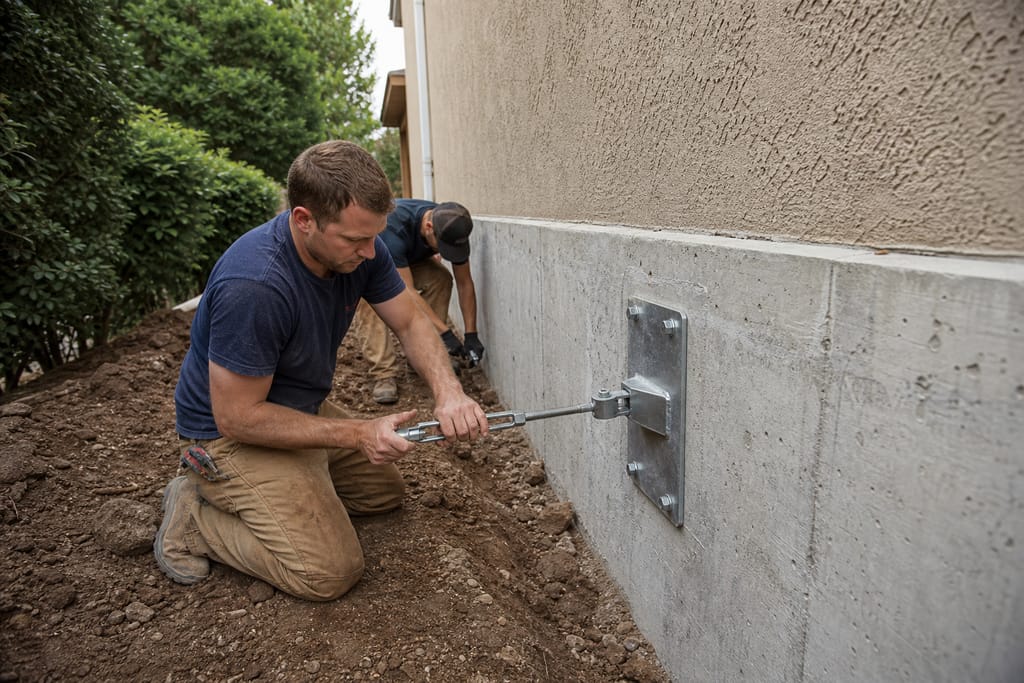
Wall Anchors
Installed in the yard to counteract inward wall pressure, suited for walls with moderate to severe bowing.
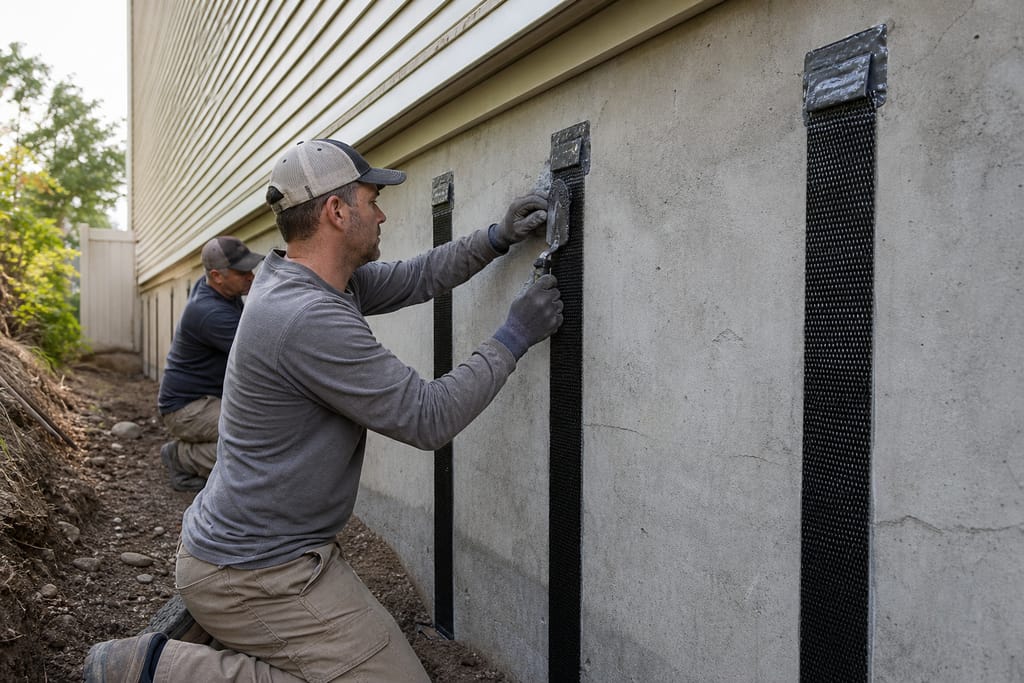
Carbon Fiber Straps
Reinforce walls without requiring extensive excavation, a good fit when yard space is tight.
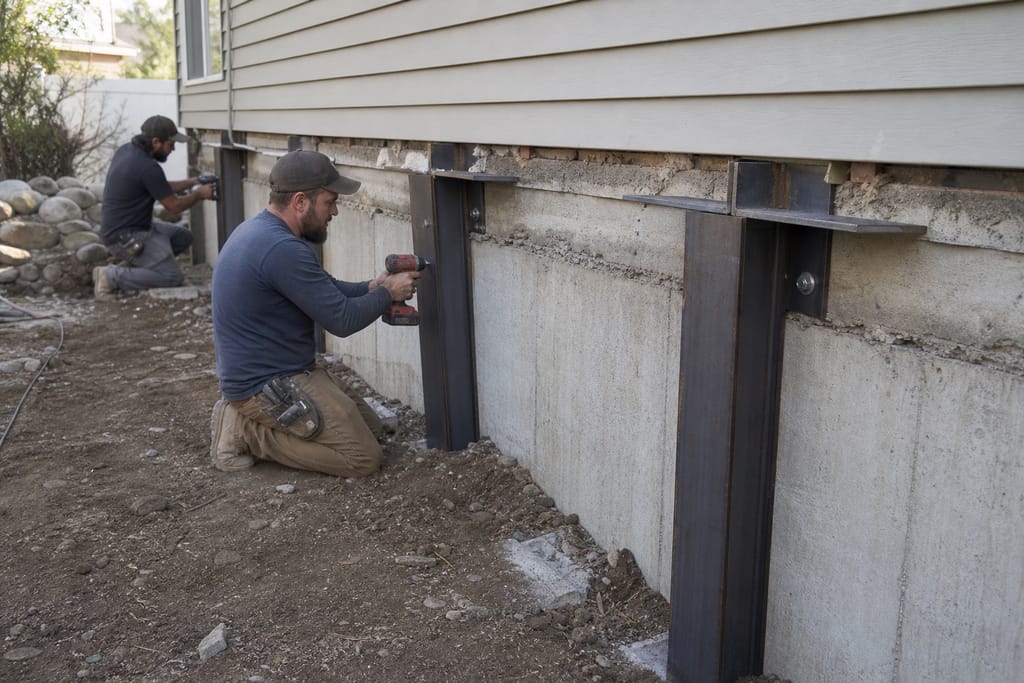
Steel I-Beams
Provide rigid bracing against lateral wall movement on more severely bowed walls.
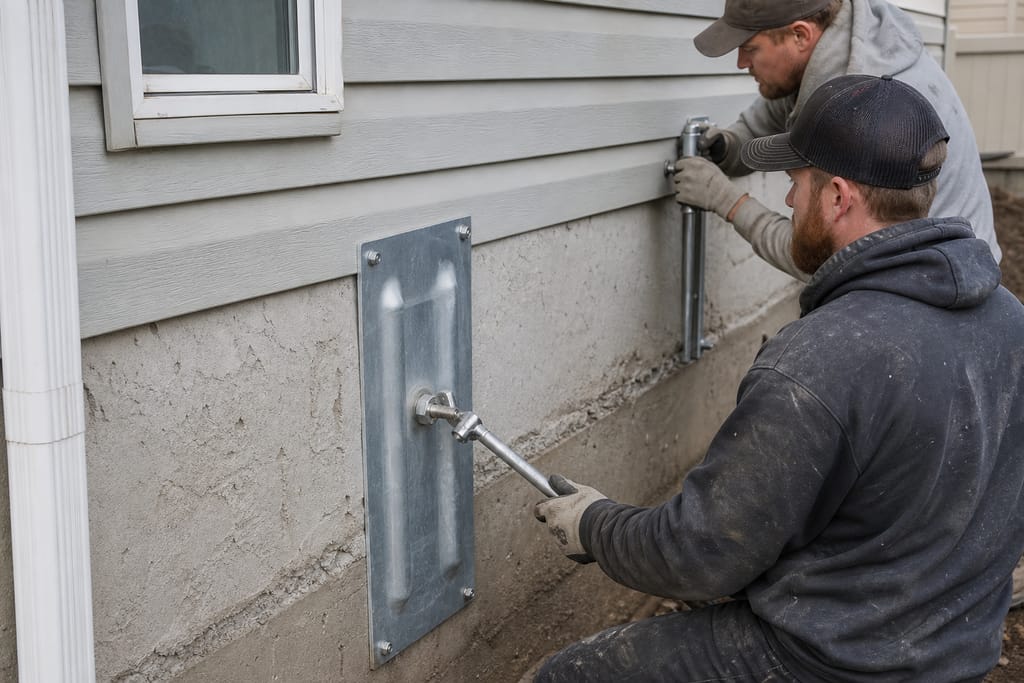
Wall Plates
Distribute anchor tension evenly across the wall surface to prevent point-loading the block.
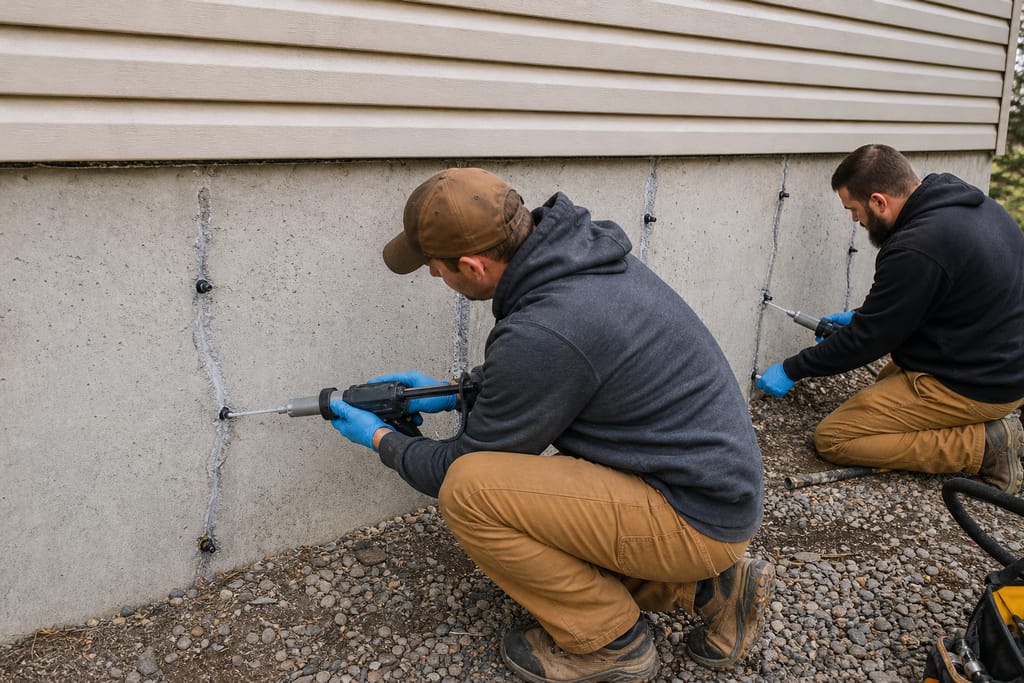
Epoxy Crack Filler
Seals cracks before reinforcement materials are applied so moisture doesn't keep working behind the repair.
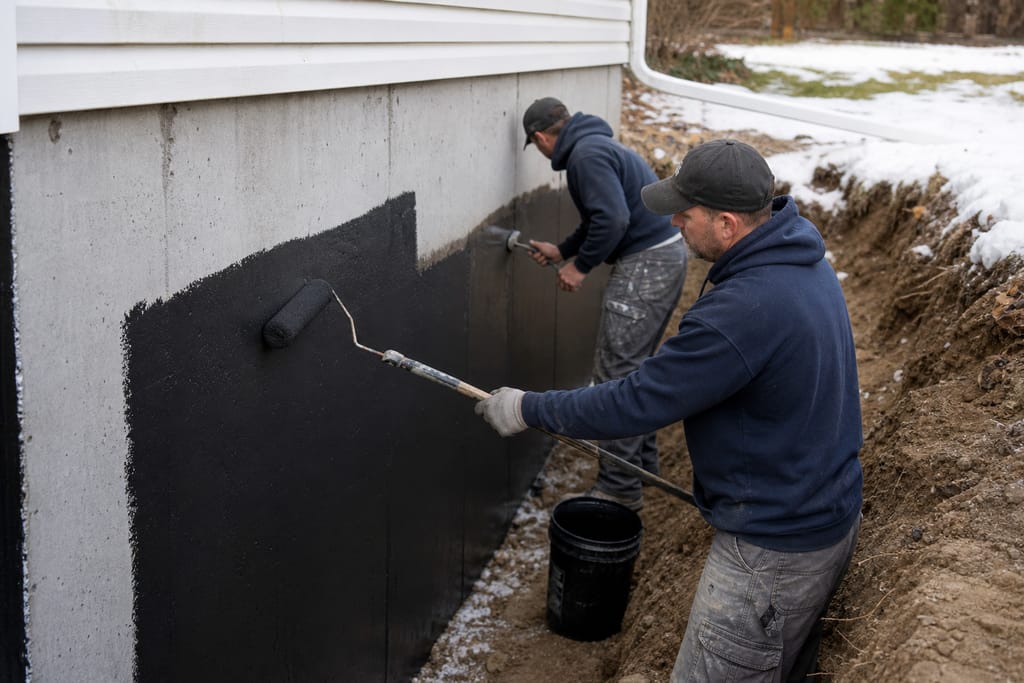
Moisture Barrier Coating
Helps protect reinforced walls from future water damage tied to seasonal groundwater rise.
Questions on materials?
Get a Free EstimateTimeline
How long does wall stabilization take?
A typical wall stabilization job moves from inspection to install within a short window.
- 01
Inspection and pressure assessment
same day - 02
Anchor or brace installation
1 day - 03
Tensioning adjustment and follow-up check
few weeks1 visit within a
Need a schedule that fits?
Get a Free EstimateBefore & after
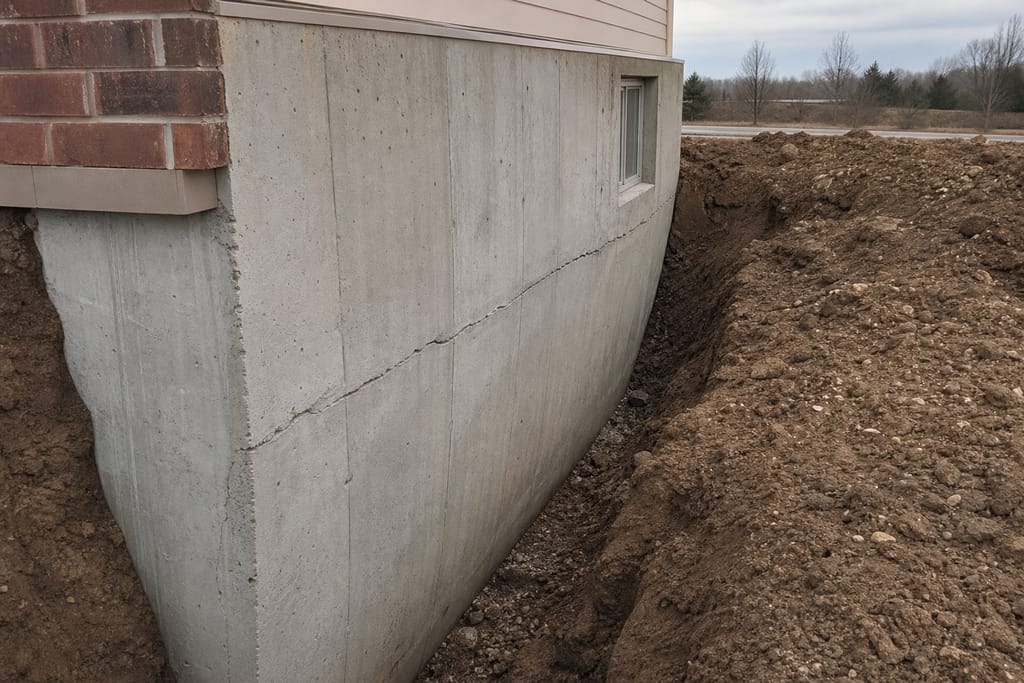
Before and After Wall Stabilization Results
Before 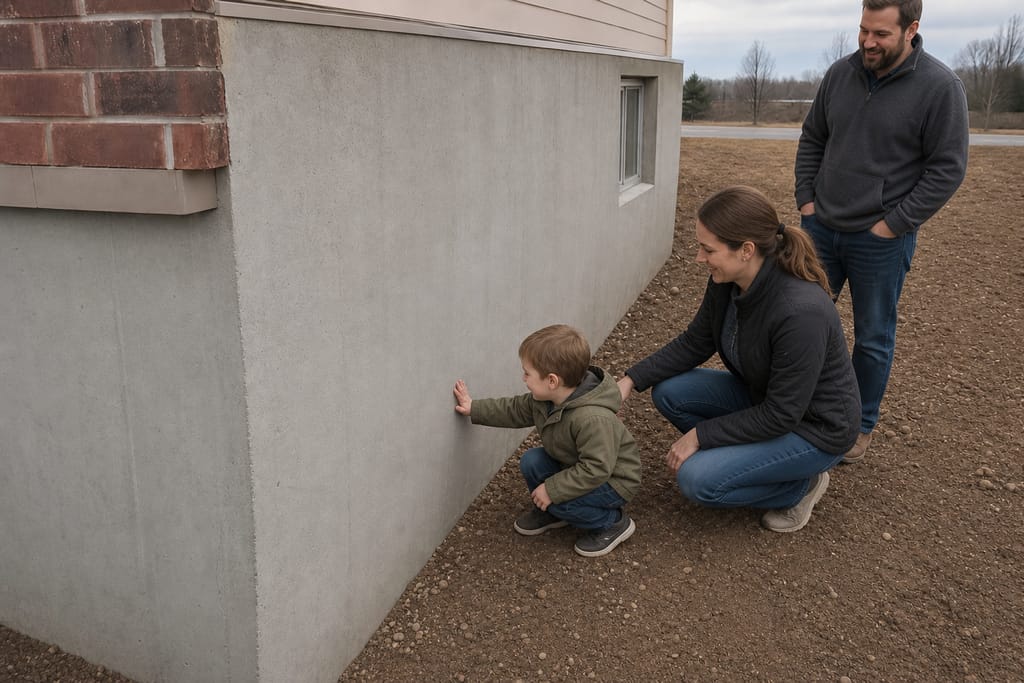
After
FAQs
Wall Stabilization FAQs
Why are my basement walls bowing after the snow melted?
Melting snow raises groundwater levels and increases hydrostatic pressure against basement walls, which over time pushes inward on block or poured concrete foundations.
How much does wall stabilization cost in South Salt Lake?
Cost depends on wall length and severity, typically a few thousand dollars for carbon fiber strap reinforcement up to more for full anchor systems across a long wall.
Do I need a permit for wall stabilization?
Installing wall anchors or steel bracing is structural work and usually requires a permit in South Salt Lake. We handle that filing.
Can I stabilize a bowing wall myself?
No. Bowing walls indicate active structural load that needs engineered reinforcement. DIY bracing doesn't address the underlying pressure and can mask a worsening problem.
How do I know if my wall needs stabilization versus just sealing a crack?
Horizontal cracks, visible inward bowing, or a wall that's shifted more than an inch from vertical all point to stabilization, not just a crack seal.
Will stabilization straighten the wall completely?
Anchors can gradually straighten a bowed wall over time with tensioning adjustments, though severity and wall material affect how much movement is achievable.
Next step
Get a Wall Stabilization Estimate in South Salt Lake
If your basement wall is bowing or cracking after snowmelt, call South Salt Lake Foundation Pros at (435) 432-0635 or request a free estimate before the pressure gets worse.
More services
Other Foundation Repair services
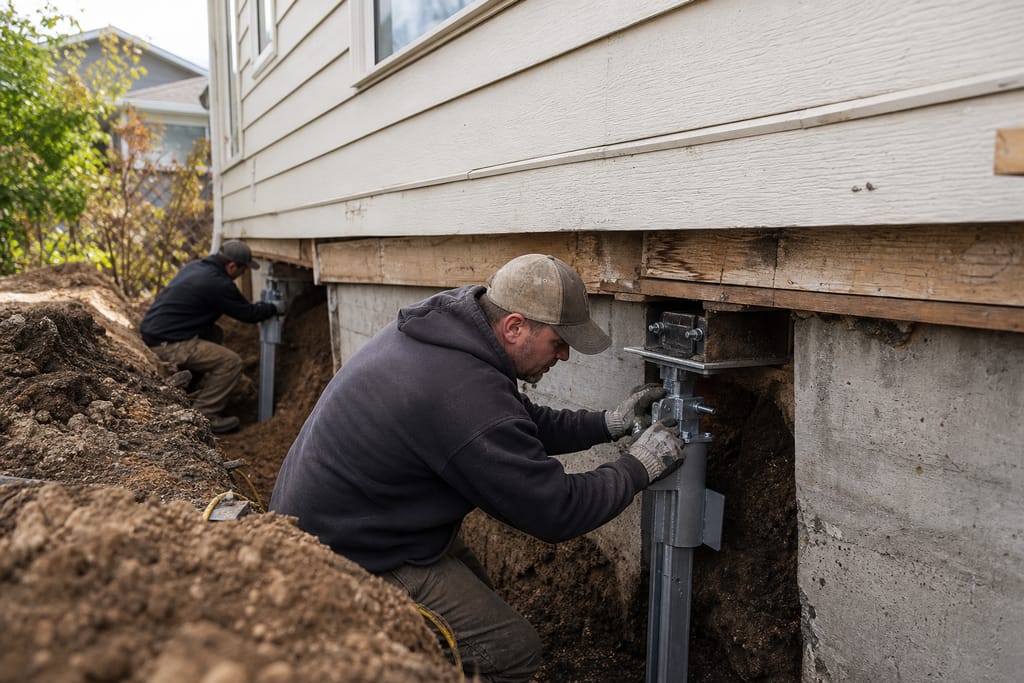
Foundation Repair
Foundation repair in South Salt Lake using piering, underpinning, and crack injection. Free estimates, written scope before any work starts.
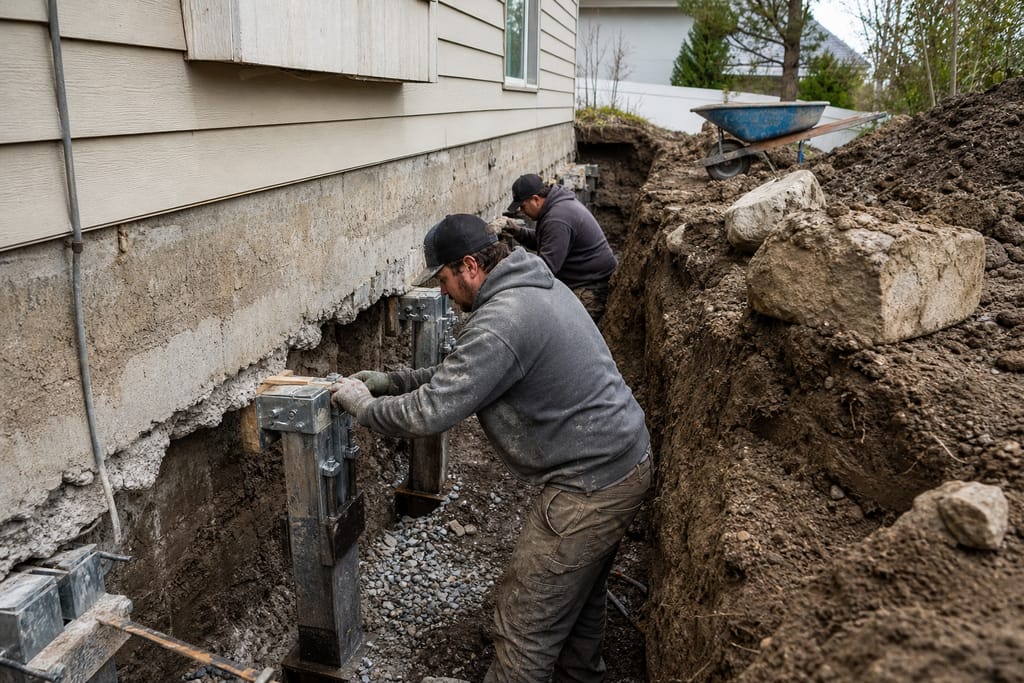
Piering and Underpinning
Piering and Underpinning in South Salt Lake stabilizes settling foundations with steel push piers or helical piers. Free estimates available.
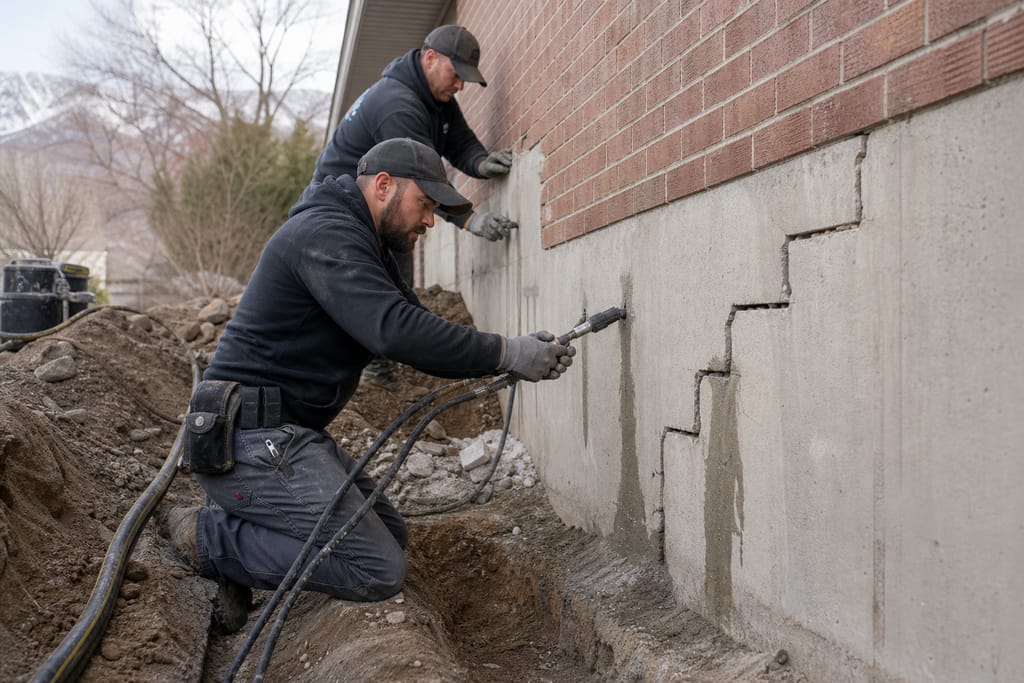
Foundation Crack Repair
Foundation Crack Repair in South Salt Lake seals cracks with epoxy or polyurethane injection, free estimates for stair-step and hairline cracks.
Ask about Wall Stabilization
Tell us about the project and how to reach you.